
梅兰芳
郑颖自创“女力”综艺节目 邀女嘉宾学新技能_我的网站

A | 郑颖自创综艺节目《Strong Yet Feminine》。

B |
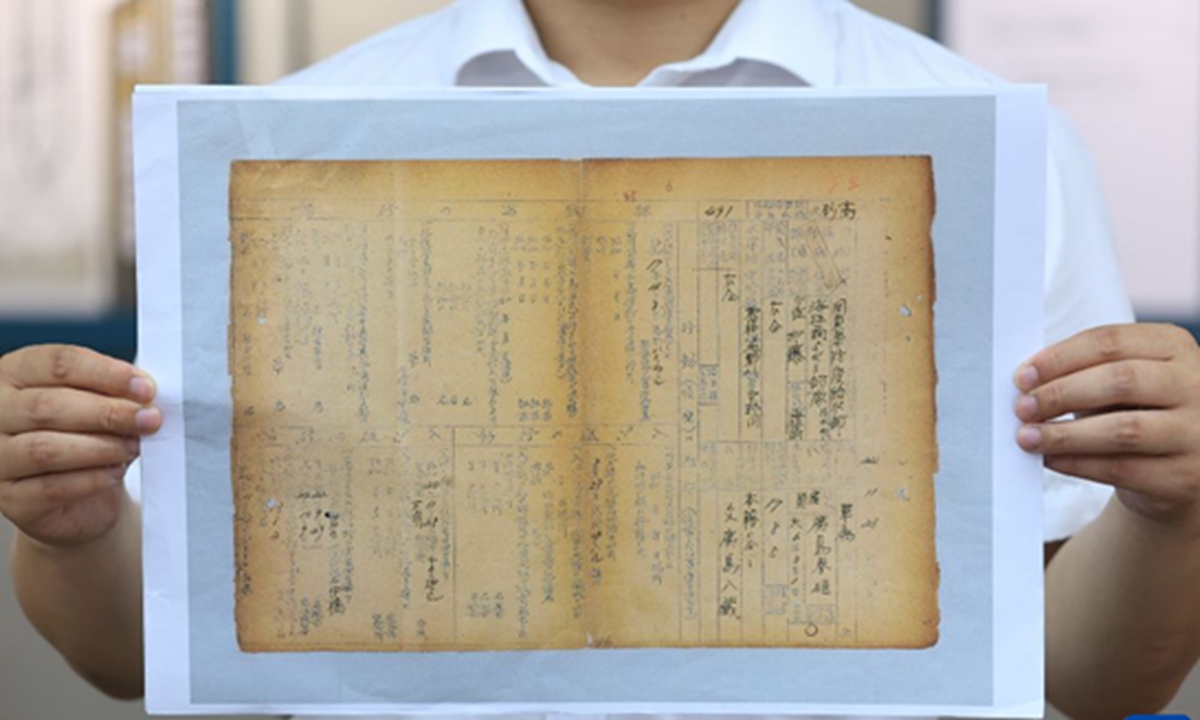
Newly released wartime records from the Hailar branch of Japan's notorious Unit 731 reveal how the Japanese military disguised biological warfare personnel as conventional infantry troops to conceal secret operations, including human experimentation.
The Exhibition Hall of Evidences of Crime Committed by Unit 731 of the Japanese Imperial Army released on Wednesday a 185-page archive of "personal background declaration" from the Hailar branch of Unit 731, also known as "Manchuria Unit 543". The documents show that the Japanese military concealed its biological warfare operations under the guise of conventional infantry units and shed new light on the Soviet Union's continued efforts after World War II to investigate and prosecute Japanese biological warfare crimes.
Unit 731 was a top-secret biological and chemical warfare research base established as the nerve center for Japanese biological warfare in China and Southeast Asia during WWII. At least 3,000 people were used in human experiments conducted by Unit 731, and more than 300,000 people in China were killed by Japan's biological weapons, according to the Xinhua News Agency.
The Japanese Kwantung Army established five branches of Unit 731 in Northeast China - in Hailar, Sunwu, Mudanjiang, Linkou and Dalian. Located in the northeastern part of the Inner Mongolia Autonomous Region, near China's borders with Mongolia and the Soviet Union, the Hailar branch served as a frontline base of the Japanese imperialist army for potential biological warfare operations against the Soviet Union.
The newly released 185-page archive contains key information on 156 members of the Hailar branch of Unit 731, including their names, military ranks, dates of enlistment, duties, transfers and postwar whereabouts. Researchers said the documents constitute first-hand official records for studying the branch's personnel structure and operations.
Jin Shicheng, a researcher at the Exhibition Hall, said the study produced two major findings. First, the documents reveal that the Japanese military recruited personnel under the cover of ordinary infantry units to conceal biological warfare activities. Some personnel, for example, were recruited under the names of conventional units such as Manchuria Unit 97, Unit 177 and Unit 201. They were then sent to Unit 731 headquarters for three months of training before being assigned to the Hailar branch. The deceptive recruitment system was intended to conceal the crimes committed by Unit 731, including human experimentation.
Moreover, the archive provides evidence of continued postwar investigations into Japanese biological warfare crimes. Of the 156 personnel listed in the documents, 145 were captured by Soviet forces after the war and detained in the Soviet Union. Four were tried in Khabarovsk between April and September 1950. The researcher said the records show that Soviet investigations and judicial efforts concerning Japanese biological warfare crimes continued after the trial held in 1949.
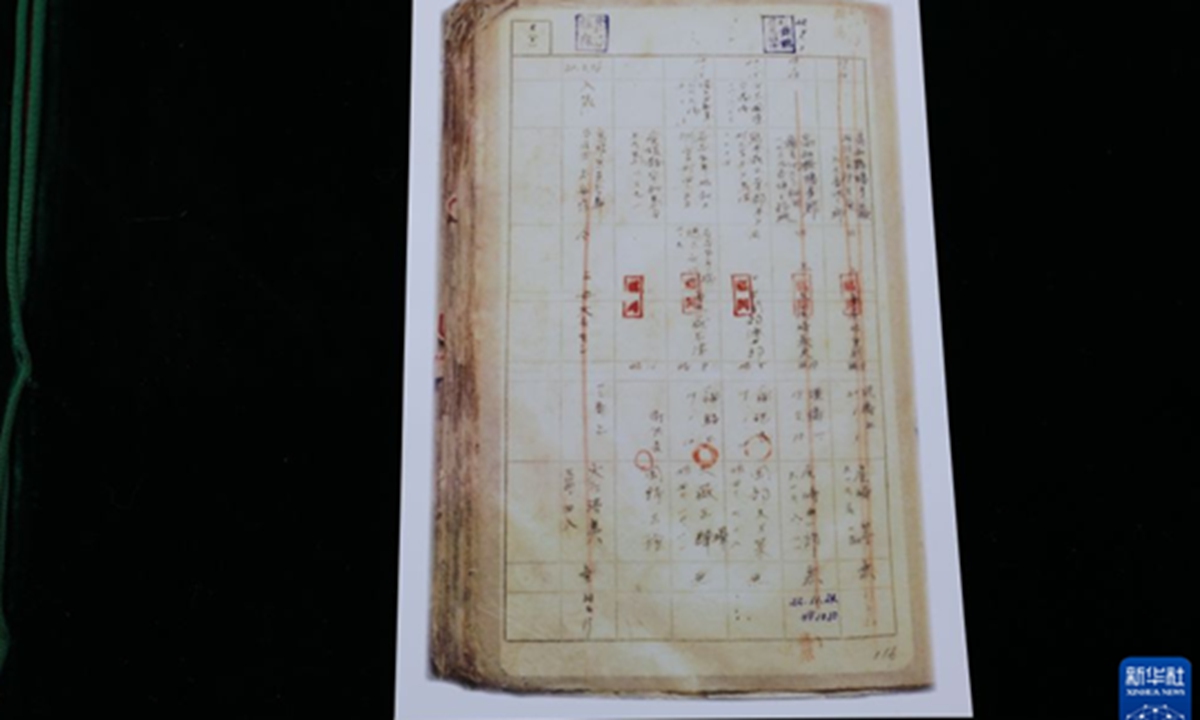
A photo published by Xinhua showed a record on medic Tanizaki Hitoshi in the "personal background declaration" records of Unit 731's Hailar branch. Tanizaki, originally named Ozaki Hitoshi, is documented in historical records that, together with his oral testimony, form a chain of evidence further substantiating the crimes committed by Unit 731.
Experts said the new revelation of the Hailar branch deepens research into Unit 731 and, together with previously obtained oral testimony from former members, form a broader chain of evidence. The official records exposed the efforts by the Japanese military to disguise their crimes against humanity and provided further evidence of the state-organized system behind Japan's biological warfare program, while adding important material to research on Unit 731 and postwar prosecutions.
Global Times
。

C | (新明日报图) (新加坡讯) 艺人郑颖自创综艺节目《Strong Yet Feminine》(以下简称《SYT》),每一集都会邀请不同女艺人或女网红,在节目中学习一项新技能,从本月21日推出第一集后,往后每周三晚上都会在IG更新。《新明日报》报道,郑颖接受访问时分享道:“我发现我给别人印象都是比较‘女汉子’,但其实我也有涉足时尚和美容领域,所以我的灵感其实是从自身形象出发。”对于节目每集会邀请女嘉宾学习新技能,郑颖认为作为艺人或网红,都需要不断尝试新事物,而通过这种尝试,不仅能给自己一个提升的机会,她也希望能够借节目在主持方面得到锻炼。当被问及节目嘉宾时,郑颖卖了个关子,“嘉宾阵容暂时保密,希望给大家惊喜。”她也透露,在接触很多人和饰演不同角色后,她发现很多女性都缺乏安全感和自信,所以希望通过这小节目,给观众带来一些启发和正能量,“当我们勇敢尝试之后,才能真正了解自身优点和不足,然后去不断进步。”既是‘女汉子’也是‘小女人’ 郑颖在首期节目选择了张颖双作为嘉宾,两人一同挑战了打网球。郑颖坦言她很久没有打网球了,但她认为,即使只是能击中球这种小目标,成就感也是很大的,“我们不能忘记初心,每一件事都是从零开始,没有人是万能的。”郑颖在第一集节目中找来张颖双(右)当嘉宾,两人一同挑战打网球。(新明日报图) 郑颖在分享心目中符合《SYT》女性榜样时,提到演艺圈前辈如白薇秀和刘子绚,及妈妈级艺人如林湘萍和黄碧仁,还说到自己和妈妈洪慧芳一样,性格比较独立,也算是“女汉子”,但在伴侣面前,却也可以做个“小女人”。

D | “作为一个女性,我觉得找到平衡非常重要,既能独立自主,又能在适当的时候展现温柔,这对感情和事业都很有帮助。”谈及节目制作,郑颖透露,她很幸运找到了一个年轻搭档,一位20岁正在读大学的Gen Z妹妹帮助她制作内容,“这是我第一次制作综艺节目,难免有不足之处,还请大家多多包涵。
Current article:http://ddl41te.cheshenzhuaduanza.buzz/list_nmyctx/lymwszw.html
Published on:03:30:08
栏目相关
- 重庆银行半年报:营收净利延续“双十”增长 集团及法人规模站稳“双万亿”
- 长存控股来了!金融机构股东图谱浮现:银行系扎堆 多家券商隐现
- 2元彩票不止碰运气!藏在票面下的温暖秘密
- 司令出访期间被解职,专机受禁无法降落,手下将士一怒围攻总统府,半个史观,原创 司令出访期间被解职,专机受禁无法降落,手下将士一怒围攻总统府
- 腾讯发布2026年科学探索奖获奖名单:奖项史上第一位“95后”入选
- 小米18 Fold官宣 全球首发自研玄戒O3处理器 9月上市
- Chinese team develops intelligent vision sensor that turns light signals into AI-ready tokens, reducing use of energy
- 张晓龙:维新的比赛和预期还有很大的差距。
- 「里親が見つかるまで」と預かった保護猫、1カ月後に正式に家族へ “唯一無二の見た目”で飼い主を魅了
- 福州工业国货路实施高架地面协同快速化改造
- Is Ranveer Singh in Legal Trouble for Allegedly Insulting Daiva Tradition?
- 手握百亿订单 释放景气信号!这些机构扎堆股订单充足(附名单)
热门排行
- Perplexity新一轮融资有望获英伟达投资,估值或超300亿美元
- 名记解读哈登骑士谈判:正在构思多套续约方案 预计很快出结果
- 4th Vande Bharat Express will connect Himachal to Delhi
- 抗衰老研究通过喂食高糖饮食来延长蠕虫的寿命
- 德泽尔比:萨维尼奥必须成长为核心球员之一,他需要扛起更多责任
- 上市公司劝退应届生:离职or打螺丝 走只赔半月工资
- 多位百亿基金经理大调仓
- 医生:需预防“嚼”出来的癌症
- 魏象枢:一生清慎勤
- 长安四号登月视频首次发布
- Heritage crafts gain popularity as wedding gifts among young Chinese
- 新华图讯丨习近平同约旦国王阿卜杜拉二世会谈